
Canada Raises LMIA Wage Thresholds Effective June 27, 2025

Ottawa, ON – Canada has implemented a significant update to its Labour Market Impact Assessment (LMIA) program, raising wage thresholds for the Temporary Foreign Worker Program (TFWP) effective June 27, 2025. Announced by Employment and Social Development Canada (ESDC), the adjustment aims to align wages with inflation, rising living costs, and the country’s commitment to fair labour practices. The new wage thresholds, varying by province and territory, determine whether a job falls under the high-wage or low-wage stream of the TFWP. Jobs offering wages at or above the updated thresholds are classified as high-wage, while those below are low-wage. This shift reflects Canada’s ongoing efforts to balance labour market needs with protections for both TFWs and Canadian workers. For instance, British Columbia’s threshold now stands at $36.60 per hour, a $1.98 increase, impacting sectors like tech and healthcare in Vancouver’s high-cost market. Employers must adapt to the higher wage requirements, which may increase hiring costs and shift some positions from the low-wage to the high-wage stream. The latter involves stricter LMIA conditions, such as detailed recruitment efforts for Canadians. TFWs, meanwhile, stand to benefit from improved wages, enhancing financial stability and eligibility for immigration programs like Express Entry. This aligns with Canada’s goal to ensure competitive pay reflective of local economic conditions. The update follows earlier changes, including a 20% wage threshold increase in November 2024, signaling a continued tightening of the TFWP. Restrictions on low-wage LMIA processing in regions with unemployment rates of 6% or higher, such as parts of British Columbia, remain in effect, with the next review due July 10, 2025. These measures address concerns over TFW program misuse and pressure on housing and social services. ESDC encourages employers to review wage structures and consult immigration professionals to ensure compliance. TFWs seeking opportunities are advised to research regional wage differences and updated thresholds, available on the official TFWP website. As Canada refines its immigration policies, this adjustment underscores a commitment to a fair and sustainable labour market, with further updates expected as economic conditions evolve. Team-Tusharuplifts.
Canada New Immigration Policy
Content coming soon
Not Just a Statistic: The Human Side of Immigration Policies
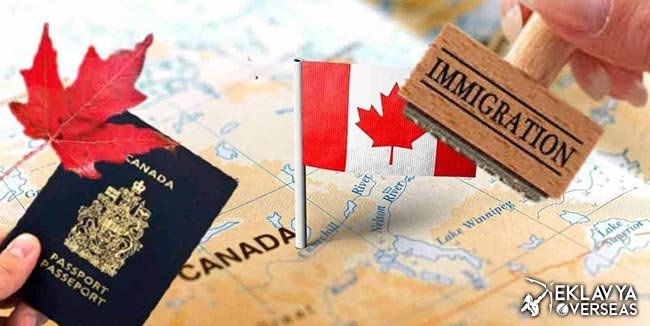
Every time a government passes a new immigration policy, a number gets attached. A quota. A percentage. A limit. And just like that, human lives are reduced to statistics. News headlines talk about “migrant influx” or “refugee caps,” but what’s often missing is the heart of the matter: the people behind the numbers. Because immigration isn’t just about borders and paperwork — it’s about families, dreams, survival, and identity. Policies That Define Lives One policy decision can change someone’s entire future. A delay in processing can mean separation from family. A rejected application can mean being forced back into danger. A change in refugee status can lead to homelessness, trauma, or worse. When we look at policies only on paper, we forget the real people affected by them — the students who came for education but were denied work permits, the workers who pay taxes but are refused permanent residency, the parents who just want safety for their children. They’re not numbers. They’re neighbors. They’re friends. They’re human beings with stories. Behind Every Application is a Story There’s a man named Farid who fled war in his home country. He applied for asylum, waited for months, and was denied — even though going back could cost him his life. There’s a woman named Amina who works three jobs and still can’t get PR (permanent residency) because she falls short on points — even though she’s been helping her community for years. And then there’s the countless international students who were promised opportunity but are now drowning in uncertainty. These aren’t rare cases. They’re just rarely heard. When the System Forgets Compassion,/h3> Yes, every country needs structure. Yes, rules and checks are necessary. But when the system loses sight of compassion, it starts to break people. Immigration policies need to be more than just rules. They need to be fair. They need to be humane. And they need to listen to the voices that are often silenced. Immigration is not just a policy issue — it’s a human issue. And the more we dehumanize it, the more we allow injustice to thrive behind closed doors. Behind every immigration form is a person hoping for a better life. Behind every statistic is a beating heart, a family waiting, a voice praying to be heard. Let’s stop treating people like numbers. Let’s start seeing them as what they are — human.